Can You Really Change the World Starting With One Choice?
The world feels broken, but what if the solution isn’t out there—it’s within you? Every thought, every reaction, every choice shapes…


Ever wonder why some people can breeze through a podcast and remember every detail, while others need to highlight, underline, and re-read a passage three times just to make it stick? You're not alone. The way we learn—how we truly absorb and hold onto knowledge—is as personal as our favorite comfort food. There's no one-size-fits-all answer. Let's untangle this mystery together.
Have you ever noticed how some people just seem to carry a sense of ease about the future? While others get tangled in worry, these people glide through uncertainty as if they already trust what’s ahead. Now, what if I told you there’s a part of the brain quietly orchestrating that ease—giving optimists more than just a sunny outlook, but a shared, biological rhythm?

Imagine if happiness was a prescription. No pharmacy needed. No insurance claim forms. Just five minutes a day, no co-pay, and you could feel more human again. Too good to be true? That’s what I thought—until I stumbled on a little public health experiment with a very audacious name: the Big Joy Project.
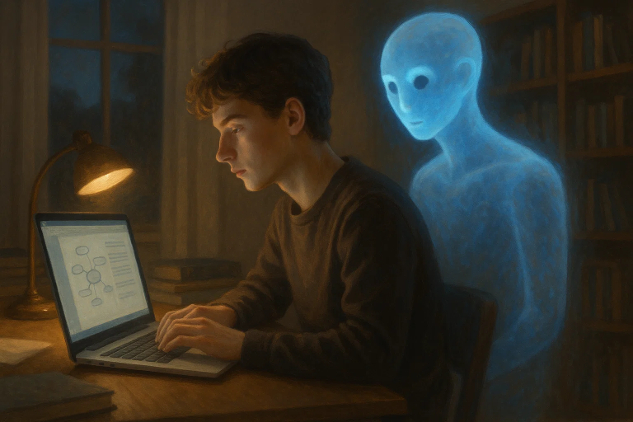
Most people think AI will either take their jobs or help them cheat on homework. But what if it could do something far more radical? What if it could help you think for yourself—for real? In a world addicted to shortcuts, artificial intelligence could be the first real opportunity to escape the shallow end of the intellectual pool. If, that is, you stop using it like a vending machine.

Success isn’t just about what you know—it’s about how you operate. In a world that’s automated, accelerated, and often unstable, the traits that define winners across industries aren’t technical. They’re human. This article breaks down the eight essential skills that show up in every profession, culture, and life path—and why mastering them may matter more than any degree or résumé ever could.

Is there really one best way to live, decide, or grow? This article reveals why your own truth and intuition might be the only reliable guide.

What if reclaiming the role of the elder could help heal both your life and the planet? Denise Linn shows how ancestral memory can restore sacred purpose.
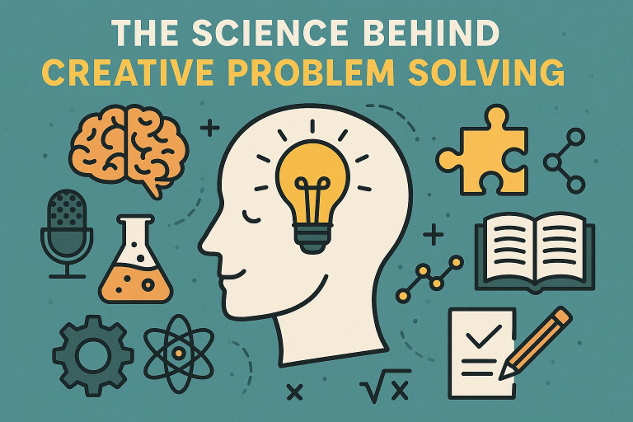
What happens in your brain at the very moment when a puzzling image suddenly makes sense? A new study reveals how moments of insight reshape our brain’s activity, strengthen memory, and point the way to more effective learning strategies. By understanding these processes, we gain tools not only for academic success but for navigating the challenges of modern life with creativity and confidence.

Your beliefs quietly guide your health and happiness. Learn 5 simple ways to spot limiting beliefs and shift your mindset for lasting wellness.
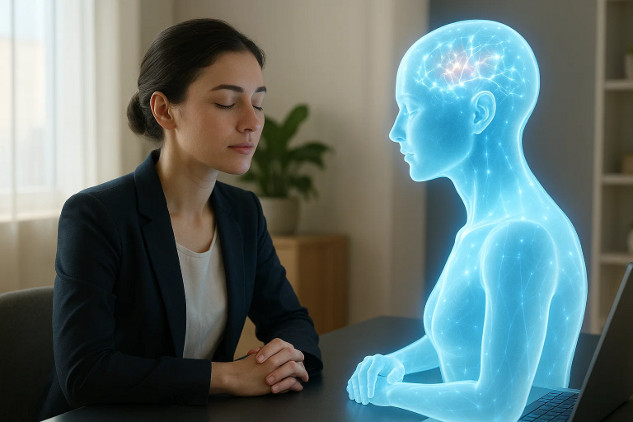
They told us AI would revolutionize everything, but they didn’t mention that your therapist might one day be a chatbot. That’s right—your next heart-to-heart could be with a string of code. The digital age has cracked open the door to AI therapy, with tools like ChatGPT and Claude stepping into the emotional arena. But before we outsource our inner demons to silicon, let’s pause and ask: Is this salvation or just another tech-fueled illusion?

Thinking in extremes—right or wrong, good or bad, black or white—may feel comforting, but it shackles your mind. Life is not a courtroom with a clear verdict; it’s a messy, complex, unpredictable story. Embracing gray thinking isn’t just smart—it’s necessary if we want to live with wisdom and empathy in an uncertain world. In this piece, we’ll unpack why black-and-white thinking is so seductive, how it distorts reality, and why shifting to gray thinking is a key to survival—both personal and collective.

Once upon a time, the notion of learning while you sleep seemed like the ultimate life hack. Slip on some headphones, drift off to dreamland, and wake up fluent in French or a master of economics. It was a seductive promise—and a persistent one. But here’s the rub: modern science says the story is far more complicated. While true "sleep learning" doesn’t work the way many believe, there is a smarter, science-backed path using sleep and audio learning to genuinely boost your memory and understanding. And it’s far more effective than any 1950s sleep-learning record ever was.

In a world that feels more like a three-ring circus with each passing week, finding a clear path through the fog of headlines, false promises, and manufactured crises isn’t just smart—it’s necessary for survival. Enter the Personal Risk & Consequence Watchlist. No, it won’t predict the unknowable. But it will train your eye to watch the world with the kind of quiet wisdom that our ancestors used when deciding whether to plant the next crop—or grab the family and move to higher ground. The art of watching patterns is an old one. It’s time we bring it back.

A schizoid girl's journey through the 1960s rock revolution, where misunderstood lyrics, misheard meanings, and emotional escape formed a soundtrack to survival.
The words we use carry more weight than we realize. Learn how “always” and “never” can quietly build—or block—the life you truly want.

We like to think that our longevity is carved into our DNA, like some kind of cosmic lottery ticket. But here’s the kicker: science says otherwise. Genetics might nudge the scale, but your daily choices—those boring little habits you repeat or ignore—are doing most of the heavy lifting. That means your spoon, your sneakers, and even your sense of humor could matter more than Grandma’s birthday candles. If you want to live longer, it’s not about waiting on better genes. It’s about getting smarter with the ones you’ve got.

Simplicity isn’t about less—it’s about more -- more meaning, coherence, and rediscovering the divine within. Pierre Pradervand shares a profound blessing and insight into simple living.

What if discovering your life purpose was simpler than you think? It begins with knowing what brings true joy and peace.

Raised in a home for at-risk youth, Elyezer Shkedy shares how growing up between two worlds taught him the power of compassion, equality, and the timeless wisdom of Hillel the Elder. This reflection is a heartfelt call to see others as ourselves—human beings, not labels.

Rituals and ceremonies are more than tradition—they’re tools to transform your inner world and influence the collective energy field we all share. Find out why and how.

What if happiness isn't something you chase but something you build, one small decision at a time? Across the world, the happiest societies have unlocked secrets not tucked away in treasure chests, but woven into everyday life. Today, let's walk together through what happiness really means, how to invite it into your life, and what lessons the world's happiest communities can teach us.

Democracy isn’t a spectator sport. George E. Danis reminds us that it’s time to roll up our sleeves and fix what’s broken—from voting rights to government accountability.

We tend to think of learning as slow and methodical—a step-by-step climb to mastery. But what if the brain is playing a deeper game? What if what looks like failure is actually a strategy, and what we call slow learning is just a misread of something more intelligent unfolding beneath the surface?